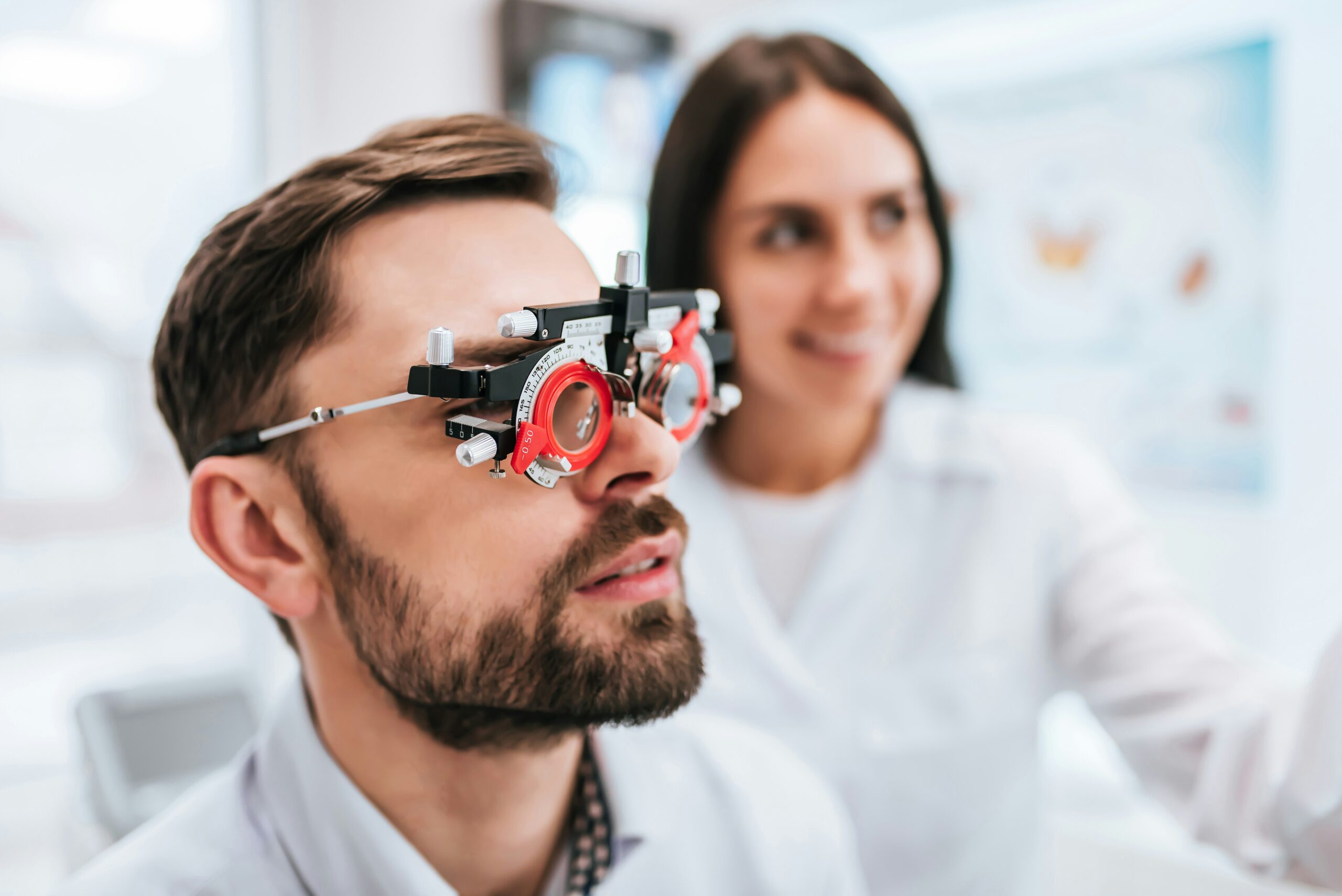
In recent years, modern technology has reshaped eye care in powerful ways, enabling patients to experience faster diagnoses and better outcomes than ever before. From routine eye exams to complex surgeries, innovation actively improves how eye specialists detect, monitor, and treat vision problems while also making care more accessible.
At the same time, these technological advances help people protect their eyesight earlier in life, which ultimately reduces the risk of severe vision loss. As digital tools continue to evolve, eye care professionals increasingly rely on data-driven insights and precision instruments to deliver personalized and effective treatment.
Advanced Diagnostic Tools and Imaging
To begin with, cutting-edge diagnostic tools allow eye doctors to detect diseases at much earlier stages than before. Technologies such as Optical Coherence Tomography (OCT) and digital retinal imaging produce highly detailed images of the eye, enabling specialists to identify conditions such as glaucoma, macular degeneration, and diabetic retinopathy with remarkable accuracy.
Moreover, these imaging systems reduce the need for invasive procedures and shorten examination times, which significantly improves patient comfort. Because doctors can now track changes in eye health over time, they can adjust treatment plans quickly and prevent minor issues from becoming serious vision problems.
Artificial Intelligence in Eye Care
In addition, artificial intelligence (AI) is playing a growing role in revolutionizing eye care. AI-powered software can analyze thousands of retinal scans in minutes, helping clinicians spot abnormalities that might be difficult to detect with the human eye alone. As a result, eye care providers can make faster and more reliable diagnoses.
Furthermore, AI supports decision-making by predicting disease progression and suggesting treatment options based on large datasets. This technology not only improves accuracy but also helps reduce the workload on specialists, allowing them to focus more on patient care and communication.
Telemedicine and Remote Eye Care
Meanwhile, telemedicine has dramatically expanded access to eye care, especially for people in rural or underserved areas. Through virtual consultations and remote screening tools, patients can now receive professional advice without traveling long distances. Consequently, more individuals seek timely care rather than delay treatment.
Additionally, remote monitoring devices enable doctors to track patients’ eye health between visits, thereby improving long-term management of chronic conditions. By combining convenience with professional oversight, tele-eye care ensures continuity and consistency in treatment plans.
Innovative Treatments and Surgical Technology
Equally important, modern technology has transformed eye surgery into safer, more precise procedures. Laser-assisted techniques, such as LASIK and advancements in cataract surgery, offer quicker recovery times and improved visual outcomes. As a result, patients often experience minimal discomfort and faster returns to daily activities.
Likewise, robotic-assisted systems and customized surgical planning tools help surgeons achieve greater accuracy during complex operations. Because these technologies reduce human error, they significantly enhance both safety and success rates in eye surgery.
The Future of Eye Care Technology
Looking ahead, technology will continue to shape the future of eye care in even more exciting ways. Innovations such as gene therapy, virtual reality-based vision therapy, and advanced biomaterials promise to restore or enhance vision beyond current limits. As a result, conditions once considered untreatable may soon have effective solutions.
Ultimately, integrating modern technology into eye care improves the quality of life for millions of people. By combining precision, accessibility, and innovation, the field of eye care is moving toward a future where clearer vision is achievable for everyone.
Modern technology is revolutionizing eye care by enabling faster, safer, and more accessible diagnosis, treatment, and long-term vision management. Today, advanced imaging tools, artificial intelligence, and telemedicine work together to help eye doctors detect diseases early and provide personalized care with greater accuracy.
Smart Devices and Wearable Technology
On another front, smart devices and wearable technology empower individuals to take control of their eye health. Smart contact lenses, for example, can monitor eye pressure or glucose levels, which helps patients manage conditions like glaucoma and diabetes more effectively. Therefore, eye care becomes more proactive rather than reactive.
Similarly, mobile apps and digital tools remind users to rest their eyes, track screen time, and schedule regular eye exams. By encouraging healthier habits, these innovations support long-term vision care and reduce the strain on the eyes caused by modern digital lifestyles.