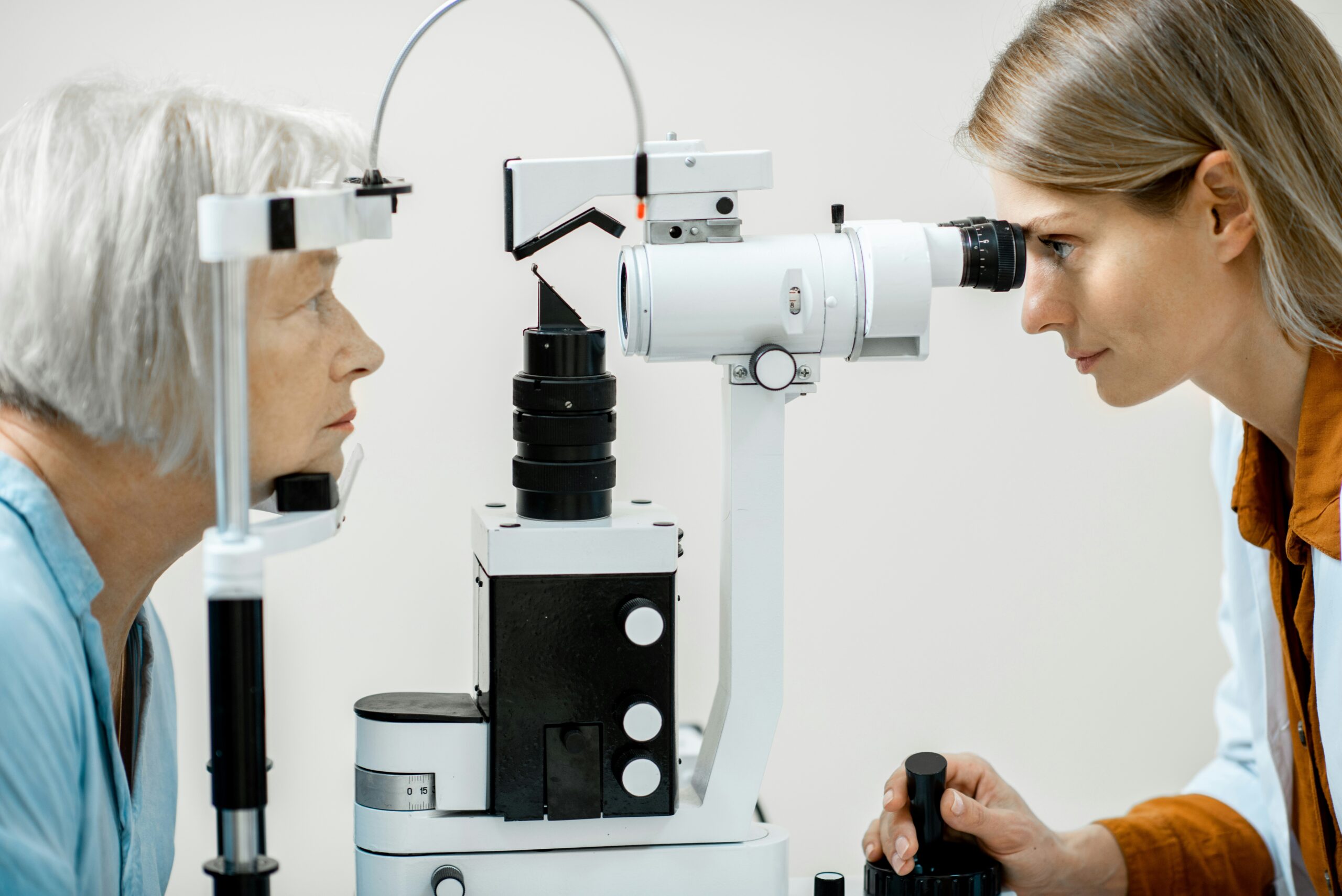
Early detection often determines whether patients keep their vision for life. Today, machine learning algorithms are playing an increasingly important role in medical diagnostics, especially in ophthalmology. Doctors now use advanced data models to detect subtle patterns in retinal images that humans may miss. As a result, screening systems identify eye diseases earlier and guide faster treatment decisions.
Healthcare organizations continue to invest in artificial intelligence tools that strengthen diagnostic accuracy. Because eye diseases often progress without symptoms, early screening remains critical. Therefore, machine learning technology enables clinicians to examine thousands of images while maintaining consistent accuracy quickly. This shift allows healthcare professionals to protect vision better and reach patients before irreversible damage occurs.
The Growing Importance of Early Eye Disease Detection
Many eye diseases develop quietly and show no symptoms during the early stages. Conditions such as glaucoma, diabetic retinopathy, and age-related macular degeneration often damage vision gradually. However, patients rarely notice the problem until the disease reaches an advanced stage. Consequently, healthcare providers emphasize early detection to prevent permanent vision loss.
Machine learning tools strengthen this effort by analyzing medical images and identifying risk factors sooner than traditional screening methods. These technologies evaluate patterns in retinal scans, optical coherence tomography images, and fundus photographs. As a result, clinicians can detect early warning signs even when structural changes appear subtle. Early intervention then allows doctors to begin treatment while the disease remains manageable.
How Machine Learning Algorithms Analyze Eye Health Data
Modern machine learning algorithms learn from massive datasets of labeled medical images. Researchers feed thousands or even millions of retinal images into these systems. Over time, the algorithm studies differences between healthy eyes and those affected by disease. As a result of this process, the system develops the ability to recognize abnormal features automatically.
Once trained, the algorithm evaluates new images in seconds. For example, it may detect microaneurysms, hemorrhages, or retinal swelling associated with diabetic retinopathy. Moreover, these tools highlight suspicious regions in the image, allowing doctors to review them quickly. This collaboration between machine intelligence and medical expertise improves screening efficiency and reduces diagnostic delays.
Transforming Diabetic Retinopathy Screening
Diabetic retinopathy remains one of the leading causes of blindness worldwide. Unfortunately, many diabetic patients skip regular eye examinations due to cost, distance, or lack of awareness. As a result, doctors often diagnose the disease only after vision problems begin. Machine learning solutions now address this challenge by enabling automated screening programs.
Healthcare providers deploy AI-powered systems in clinics, pharmacies, and community health centers. Patients can take a simple retinal photograph, and the algorithm analyzes it immediately. If the system detects signs of diabetic retinopathy, it alerts the clinician to further examination. Consequently, healthcare systems can screen larger populations while reducing the burden on specialized ophthalmologists.
Improving Diagnostic Accuracy for Ophthalmologists
Even experienced eye specialists face challenges when examining large numbers of retinal images daily. Fatigue and time pressure may lead to missed details. However, machine learning systems act as reliable assistants that consistently review images. Because these tools analyze data objectively, they reduce the risk of human oversight.
Doctors remain the final decision-makers, but AI systems support their judgment. For instance, algorithms may identify suspicious lesions or retinal thickness changes that warrant closer evaluation. Furthermore, clinicians can compare AI suggestions with their own assessments. This partnership strengthens diagnostic confidence and encourages more precise treatment planning.
Expanding Access to Eye Care in Underserved Areas
Many communities worldwide lack access to trained ophthalmologists. Rural areas and developing regions often struggle to provide routine eye examinations. Therefore, people living in these areas may not receive timely diagnoses for serious eye conditions. Machine learning technologies help bridge this healthcare gap.
Portable imaging devices, combined with AI analysis, enable local clinics to perform screenings without specialist supervision. Healthcare workers capture retinal images and upload them to cloud-based systems. The algorithm then evaluates the images and provides a risk assessment. Consequently, patients who need urgent care receive referrals faster, while others continue routine monitoring.
The Role of Big Data in Training Eye Disease Models
Machine learning models rely on large and diverse datasets to achieve reliable performance. Researchers collaborate with hospitals and research institutions to gather retinal images from different populations. This diversity ensures that algorithms recognize disease patterns across various ages, ethnic groups, and health conditions.
However, building high-quality datasets requires careful labeling and validation. Medical experts must examine each image and identify specific features associated with the disease. Once labeled, these images help the algorithm learn accurate diagnostic patterns. As datasets continue to grow, machine learning systems improve their predictive power and adapt to new clinical challenges.
Ethical Considerations and Patient Data Protection
While machine learning technology offers clear benefits, healthcare organizations must address ethical concerns. Patient data privacy remains a major priority in medical research and AI development. Hospitals and technology companies must protect sensitive information while building training datasets.
Developers, therefore, implement strict data security protocols and anonymization methods. These safeguards remove personal identifiers before using medical images in machine learning models. In addition, regulatory agencies require transparency in AI decision processes. Clear guidelines ensure that algorithms support physicians rather than replace professional medical judgment.
Future Innovations in AI-Driven Eye Disease Screening
The future of ophthalmology will likely include even more advanced diagnostic tools. Researchers continue to develop deep learning models capable of detecting multiple eye diseases simultaneously. These systems may analyze retinal scans, patient history, and genetic information together. Consequently, doctors will gain deeper insights into individual risk factors.
Wearable health devices and smartphone imaging technologies may also integrate machine learning diagnostics. Patients could perform preliminary eye screenings at home and send the results to healthcare providers instantly. As technology evolves, machine learning algorithms will continue to improve accessibility, accuracy, and speed in eye disease detection.
How Machine Learning Algorithms Shape the Future of Vision Care
Healthcare continues to move toward data-driven decision-making. In ophthalmology, machine learning technologies already reshape the way clinicians screen for early disease. By quickly analyzing large volumes of medical images, these systems help doctors detect problems sooner and protect patients from irreversible vision loss.
Machine learning algorithms strengthen the partnership between technology and medical expertise. Doctors gain powerful tools that support faster diagnoses and more personalized care strategies. As research advances and healthcare systems adopt these technologies more widely, early eye disease screening will become more efficient, accessible, and lifesaving for millions of people worldwide.