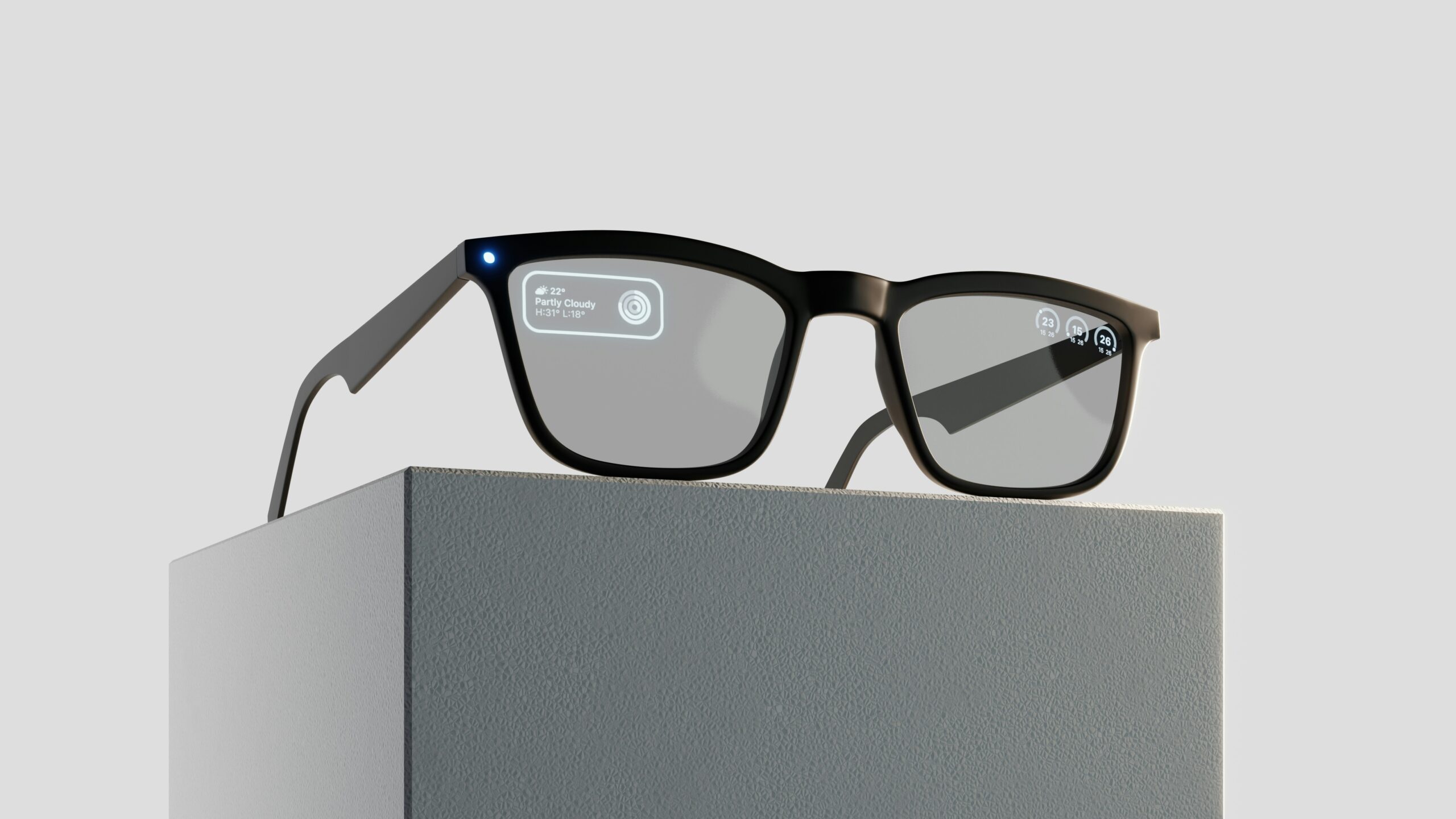
The future of healthcare continues to move toward simple, wearable technology that fits into daily life. One of the most exciting ideas now under development is Smart Lenses. These advanced contact lenses may do much more than improve vision. Researchers hope they will monitor important health markers, detect disease early, and share valuable health data with doctors. As technology advances, these lenses could change how people manage their health every day.
Unlike traditional wearable devices, Smart Lenses sit directly on the eye, where they can measure tears and other biological signals. Because the eyes connect closely to many body systems, they provide a unique window into overall health. As a result, scientists believe these devices could support faster diagnosis, improve long-term disease management, and help people stay healthier with less effort.
Why the Eyes Can Reveal Overall Health
The eyes provide much more than vision. They also reflect changes happening throughout the body. Doctors already examine the eyes to detect conditions such as diabetes, high blood pressure, and some neurological disorders. Therefore, researchers see enormous potential in using the eyes for continuous health monitoring rather than relying solely on occasional medical visits.
Smart Lenses build on this idea by collecting health information throughout the day. Tiny sensors may measure changes in tear fluid while remaining comfortable enough for regular wear. Because they gather information constantly, these lenses could identify small health changes before noticeable symptoms appear. Consequently, patients and healthcare providers could respond much earlier.
How Smart Lenses Work
Modern Smart Lenses combine several advanced technologies into a single wearable device. Tiny biosensors collect data, while flexible electronic circuits process information without blocking vision. In many designs, wireless communication sends data to a smartphone or medical system for review. Although engineers still face technical challenges, progress continues every year.
Powering these miniature devices remains one of the biggest engineering tasks. Some developers explore wireless charging, while others investigate energy harvested from blinking or natural eye movement. At the same time, researchers work to keep the lenses soft, lightweight, and safe for extended wear. These improvements move Smart Lenses closer to everyday use.
Monitoring Glucose Levels Without Needles
Many people living with diabetes check their blood sugar several times each day. While current monitoring methods continue to improve, many still require sensors attached to the skin or finger-stick testing. Smart Lenses offer the possibility of measuring glucose levels through tears instead, creating a much less invasive experience.
Scientists continue studying the relationship between tear glucose and blood glucose to improve accuracy. Although researchers have not yet solved every challenge, promising results continue to appear. If these systems reach commercial success, they could help millions of people monitor diabetes more comfortably while encouraging more frequent health tracking.
Detecting Eye Diseases Earlier
Early diagnosis often leads to better treatment outcomes. Unfortunately, many eye diseases develop slowly and without obvious symptoms. Conditions such as glaucoma may damage vision long before patients realize something has changed. Smart Lenses could continuously measure intraocular pressure, helping doctors identify problems sooner.
These continuous measurements would provide far more information than occasional office visits. Instead of relying on one reading during an appointment, eye specialists could review patterns collected over days or weeks. This broader picture may improve treatment decisions and reduce the risk of permanent vision loss.
Supporting Heart and Brain Health
Researchers also believe Smart Lenses could support cardiovascular and neurological care. Since changes in blood vessels often appear in the eyes, these devices may help identify early warning signs of heart disease or circulatory problems. Continuous monitoring could provide valuable information without interrupting daily activities.
Scientists also investigate whether Smart Lenses can detect biomarkers associated with neurological conditions. Because the eyes connect directly to the brain through the optic nerve, subtle biological changes may appear there before other symptoms develop. Although research continues, these possibilities make Smart Lenses one of the most exciting areas in digital medicine.
Artificial Intelligence Makes Data More Useful
Collecting health information represents only one part of the process. Artificial intelligence helps transform raw measurements into meaningful insights. AI systems can recognize patterns, compare current readings with previous results, and alert users when unusual changes appear. Therefore, Smart Lenses become much more than simple sensors.
As AI continues improving, doctors may receive more accurate recommendations supported by continuous health data. Instead of manually reviewing thousands of measurements, healthcare providers could focus on meaningful alerts and personalized treatment decisions. This combination of AI and wearable technology may improve both speed and quality of medical care.
Daily Convenience for Patients
One reason wearable technology continues to grow is its convenience. Many people already wear contact lenses every day, making Smart Lenses a natural extension of familiar routines. Rather than adding another medical device, users could insert their lenses each morning and receive continuous health monitoring throughout the day.
This convenience may also improve patient participation. People often forget medications or delay health checks because they interrupt daily life. However, Smart Lenses could automatically collect health information while users work, exercise, travel, or relax. As a result, healthcare becomes easier to maintain without major lifestyle changes.
During discussions about next-generation wearable devices, experts frequently highlight AI Meets Biotech: CRISPR, Personalized Medicine, and the Future of Healthcare (title to anchor) because combining intelligent diagnostics with biological innovation may reshape preventive medicine. Smart Lenses fit naturally within this broader movement by delivering personalized health information in a comfortable, everyday way.
Privacy and Data Security Matter
As with every connected medical device, privacy remains essential. Smart Lenses may collect sensitive health information throughout the day. Therefore, developers must protect this data with strong encryption, secure wireless communication, and strict privacy standards. Users need confidence that their personal information stays protected.
Healthcare companies also must remain transparent about how they collect, store, and share information. Clear privacy policies and strong security measures will help build trust among patients. As regulations continue evolving, developers must balance innovation with responsible data protection practices.
The Future of Smart Lenses
Healthcare continues to move toward prevention rather than treatment alone. Smart Lenses support this shift by providing continuous information that may reveal health changes before symptoms become serious. Earlier detection allows doctors to begin treatment sooner, which often improves patient outcomes while lowering healthcare costs over time.
As research advances, Smart Lenses may expand beyond glucose monitoring and eye pressure measurement. Future versions could monitor hydration, inflammation, medication levels, hormone changes, or other important health indicators. Eventually, they may become part of everyday healthcare, giving people greater control over their personal wellness while supporting more personalized medical care.