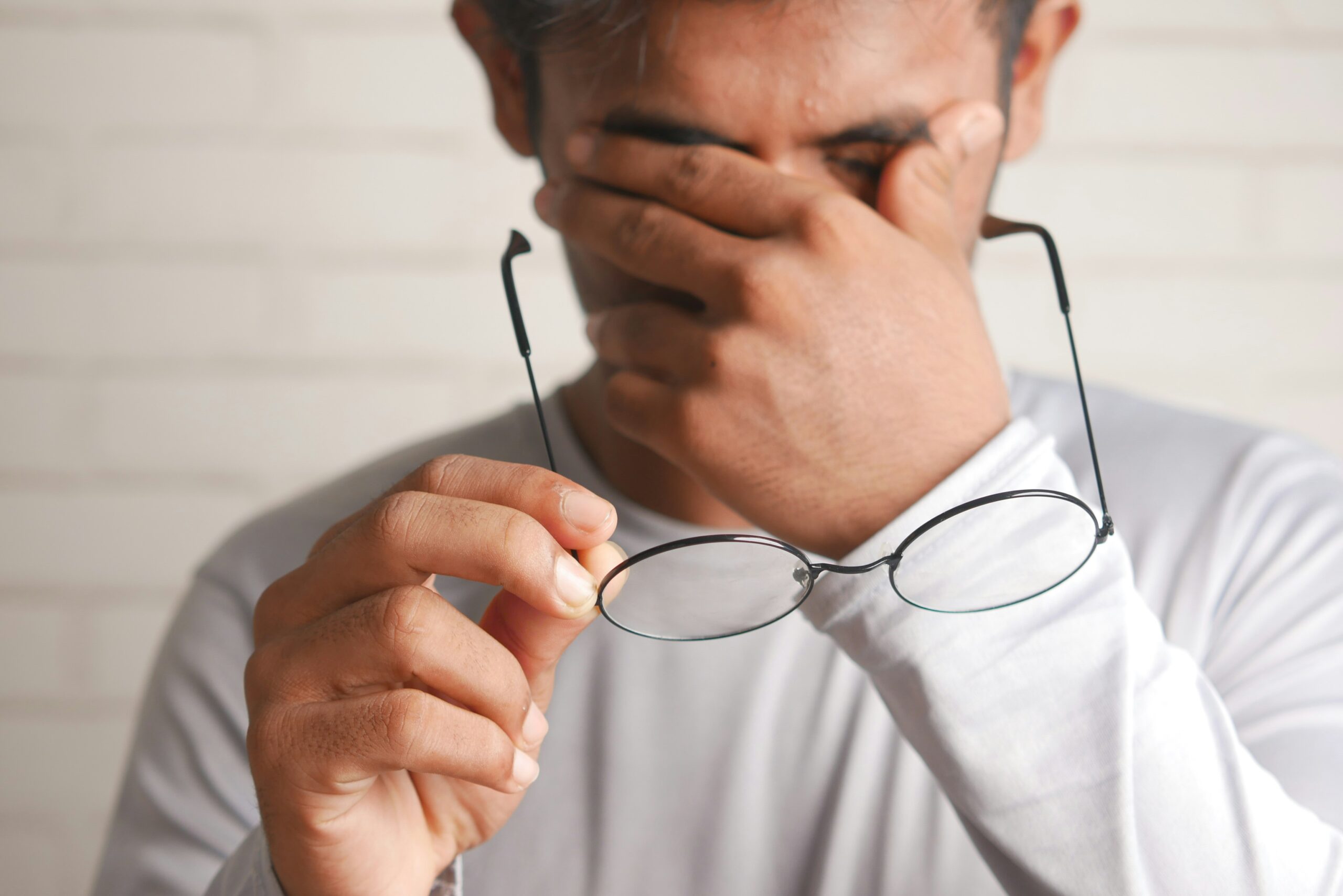
Headaches are common, but the cause is not always stress, poor sleep, or dehydration. In many cases, the problem may begin with your eyes. When your eyes work harder than they should, the muscles around them can become tired. That extra effort can lead to pain in your forehead, temples, or behind your eyes.
Eye problems can also make daily tasks feel more difficult. Reading, driving, working on a computer, or looking at your phone may trigger discomfort. The pain may seem like a normal headache, even when your eyes are responsible. Learning how vision affects headaches can help you notice patterns and know when an eye exam may be useful.
Your Eyes May Be Working Too Hard
Your eyes constantly adjust to keep objects clear. When your vision is not properly corrected, your eyes may work harder to focus. This can happen when you are nearsighted, farsighted, or have another common vision problem. The extra effort may cause tension around your eyes and forehead.
You may notice the pain more after reading, working, or driving for a long time. Your eyes may also feel tired or heavy. Some people squint without realizing it because squinting can briefly make things look clearer. This constant strain can build throughout the day and end in a headache.
An Outdated Prescription Can Trigger Headaches
Your eyesight can change over time. A pair of glasses that worked well a few years ago may no longer give you the clear vision you need. Even a small change can make your eyes work harder during daily activities.
An outdated prescription can cause headaches after reading, computer work, or long periods of concentration. You may also notice blurry vision or difficulty switching your focus from near objects to distant ones. A routine eye exam can show whether your current glasses or contact lenses still match your vision needs.
Digital Screens Can Put Extra Stress on Your Eyes
Many people spend hours each day looking at computers, phones, and tablets. Long screen sessions can make your eyes feel dry, tired, or sore. They can also trigger headaches, especially when you rarely take breaks.
When you look at a screen, you often blink less. Your eyes may become dry, and the muscles used for close focus may stay active for too long. Small text, glare, poor lighting, and screens that sit too close can add to the strain. Taking regular breaks and adjusting your screen setup can make your eyes feel more comfortable.
Squinting and Poor Focus Can Cause Tension
Squinting is a common response when something looks unclear. It may help sharpen an image for a short time, but it also tightens muscles around the eyes and face. If you squint often, that tension may contribute to headaches.
People sometimes get used to squinting and stop noticing it. You may squint while reading signs, watching television, driving, or looking at a presentation across a room. If this happens often, your vision may need correction. An eye exam can help find the reason and reduce the need to strain.
Eye Dryness Can Add to Headache Pain
Dry eyes do not always cause only burning or irritation. They can also make it harder to keep your vision clear. When your eyes become dry, you may blink more, rub them, or strain to focus. These habits can add to facial tension and headache discomfort.
Dryness can become worse with screen use, air conditioning, fans, heating systems, or low humidity. Staying hydrated and taking screen breaks may help. Some people also benefit from eye drops recommended by an eye care professional. Ongoing dryness should not be ignored because it may have more than one cause.
Poor Eye Coordination May Cause Discomfort
Both eyes need to work together so your brain can create one clear image. If they do not coordinate well, your visual system may use more effort to keep things clear and comfortable. This can lead to headaches during reading, computer work, or other close tasks.
You may also lose your place while reading or feel tired after only a short period of close work. Some people notice double vision or difficulty concentrating. These signs should be discussed with an eye care professional. A proper exam can help determine whether eye coordination plays a role.
Bright Light and Glare Can Make Headaches Worse
Strong lighting can make the eyes uncomfortable. Bright screens, sunlight, fluorescent lights, and reflections can all increase strain. People who are already sensitive to light may develop headaches more easily in these conditions.
Changing the environment can sometimes help. You can reduce screen brightness, move away from direct glare, or adjust blinds and lamps. Sunglasses may also help outdoors when sunlight is strong. If light sensitivity becomes severe or starts suddenly, professional medical advice is important.
Reading for Long Periods Can Exhaust Your Eyes
Reading requires steady close focus. If you spend long periods reading without rest, your eyes may become tired. This can happen with books, printed documents, or digital text. The discomfort may build slowly and turn into a headache.
Good lighting and a comfortable reading distance can reduce the effort your eyes need. Taking short breaks also gives your eyes time to relax. If headaches happen regularly after reading, an eye exam may help identify a vision problem that needs correction.
Headaches May Appear After Driving
Driving requires constant visual attention. Your eyes must shift between the road, mirrors, dashboard, signs, and distant objects. If your vision is not clear, this repeated focusing can cause strain.
Night driving can be even more difficult because low light makes the eyes work harder. Glare from headlights may also increase discomfort. If you often get headaches during or after driving, especially at night, your eyesight may need to be checked.
Children Can Have Vision-Related Headaches Too
Children may not always explain vision problems clearly. They may simply complain about headaches, avoid reading, rub their eyes, or lose interest in schoolwork. Parents may assume the problem comes from tiredness or lack of attention.
A child who struggles to see clearly may work much harder to read or follow lessons. This effort can lead to frequent headaches. Regular eye exams can help detect problems early and prevent vision issues from affecting learning or comfort.
When an Eye Exam May Help
If headaches often appear after screen use, reading, driving, or close work, an eye exam may provide useful answers. An eye care professional can check how clearly you see and whether both eyes work together properly.
Regular exams can also detect problems before symptoms become severe. Headaches can have many causes, so an eye exam may not explain every case. However, checking your vision can rule out a common source of strain and help you find the right next step.
Protecting Your Eyes May Reduce Headache Triggers
Healthy eye habits can reduce strain throughout the day. Give your eyes regular breaks, use good lighting, keep screens at a comfortable distance, and wear the correct prescription. These simple changes can make reading and computer work easier.
You should also pay attention to patterns. Notice when your headaches start and what you were doing beforehand. If they often appear after visual tasks, your eyes may be involved. Persistent, severe, or sudden headaches should always receive proper medical attention. Taking care of your vision is an important part of protecting your overall comfort and daily well-being.