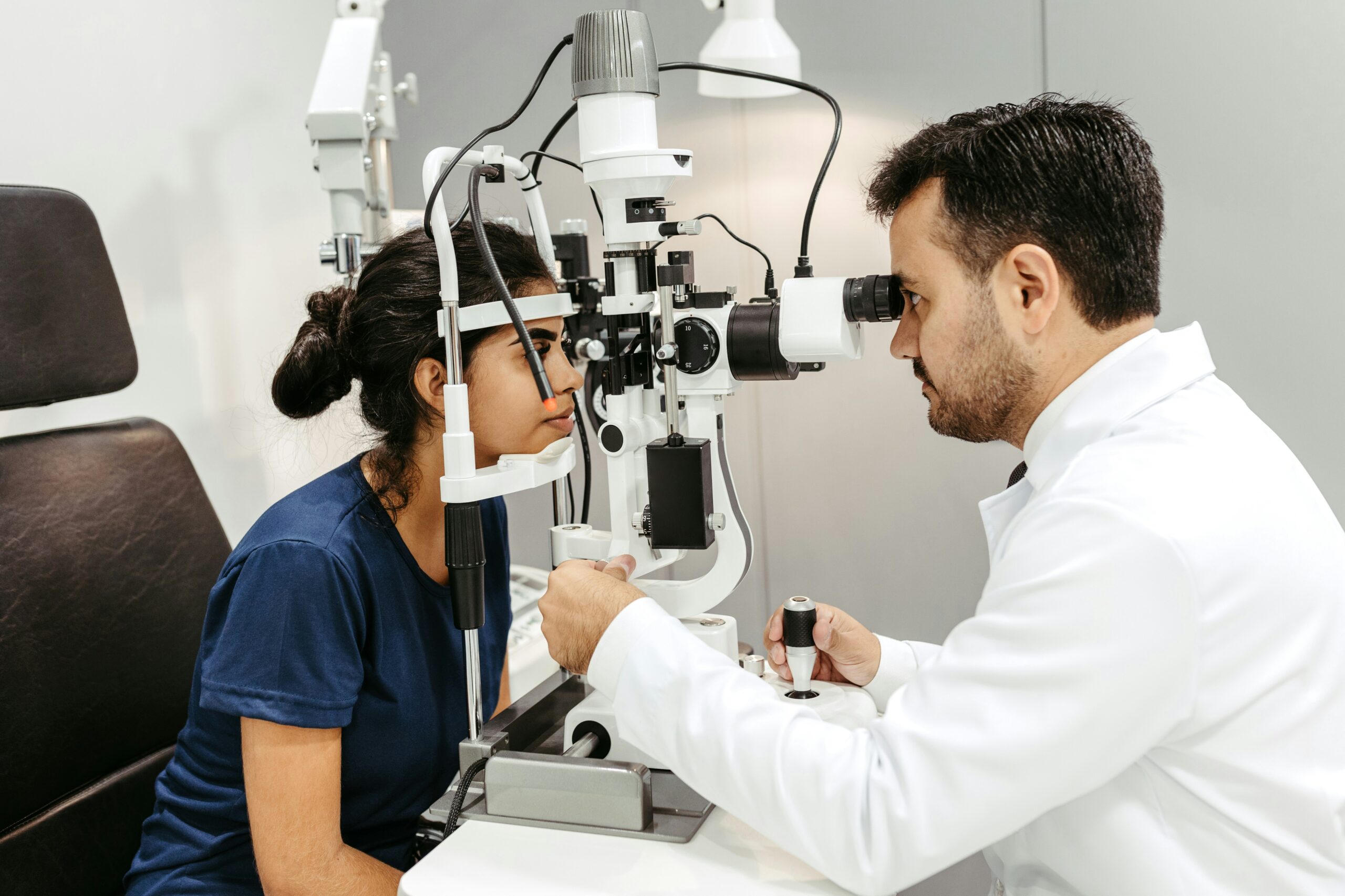
Modern technology has changed how eye care professionals diagnose, treat, and manage vision problems. Today, advanced tools allow eye specialists to detect conditions earlier and provide more personalized solutions. Moreover, digital innovations have improved patient experiences by making eye examinations faster, more accurate, and more comfortable. From artificial intelligence to advanced imaging systems, technology continues to reshape the future of vision health.
In the past, many eye conditions required complex testing methods that took significant time and effort. However, modern equipment now helps doctors collect detailed information about eye health within minutes. Additionally, digital records and smart systems allow professionals to track changes over time, which helps create better treatment plans. As a result, patients receive more effective care while eye specialists gain deeper insights into vision conditions.
Artificial Intelligence Improves Eye Disease Detection
Artificial intelligence has become one of the most important advancements in modern eye care. AI-powered systems can analyze detailed eye images and identify early signs of diseases such as glaucoma, diabetic eye conditions, and retinal disorders. Furthermore, these systems help doctors recognize patterns that may not always appear during traditional examinations. Therefore, AI supports faster diagnosis and allows patients to receive care before problems become severe.
Additionally, AI technology helps reduce the workload for eye care professionals by organizing medical information and highlighting possible concerns. However, these systems work alongside doctors rather than replacing them. Eye specialists still use their expertise to evaluate results and make final decisions. Consequently, AI creates a stronger partnership between human knowledge and advanced technology.
Advanced Imaging Creates Clearer Eye Insights
Modern imaging technology has greatly improved the way professionals examine the eyes. Optical coherence tomography, digital retinal photography, and other scanning methods provide highly detailed views of eye structures. As a result, doctors can examine areas that were previously difficult to study. Moreover, these tools help identify small changes in the eye that may indicate developing health concerns.
Furthermore, advanced imaging allows doctors to monitor patients more effectively over time. Instead of relying only on basic vision tests, specialists can compare detailed images from different appointments. This approach helps them understand how a condition changes and adjust treatments when necessary. Therefore, imaging technology plays a major role in improving long-term eye care outcomes.
Telemedicine Expands Access to Vision Services
Telemedicine has created new opportunities for people who cannot easily visit eye care clinics. Through virtual consultations and remote monitoring tools, patients can connect with specialists from different locations. In addition, digital eye examinations allow professionals to review certain vision information without requiring an immediate office visit. This technology has become especially valuable for communities with limited access to eye care services.
Moreover, remote eye care helps patients maintain regular checkups and receive guidance more conveniently. Instead of delaying appointments because of distance or scheduling challenges, people can use digital solutions to stay connected with providers. As technology continues to improve, telemedicine may support even more efficient and accessible vision care options.
Smart Devices Enhance Everyday Vision Support
Smart devices have also transformed how people manage their vision needs. Today, wearable technology, smart glasses, and mobile applications provide helpful features for individuals with different visual challenges. For example, some smart devices can assist users with navigation, magnify important details, or support better accessibility. Therefore, these innovations help people maintain independence and improve daily activities.
In addition, smartphone applications allow users to monitor certain aspects of their eye health. Many apps provide reminders for eye exercises, screen breaks, and appointment schedules. Although these tools do not replace professional care, they encourage healthier habits and better awareness. Consequently, smart technology gives people more control over their vision management.
Personalized Treatments Through Digital Innovation
Technology has made eye care more personalized by allowing doctors to develop treatments based on individual needs. Digital diagnostic tools collect detailed information about each patient’s eyes, which helps specialists recommend suitable solutions. Furthermore, advanced procedures and customized lenses now provide better results for many vision concerns. As a result, patients experience care that matches their unique conditions.
Additionally, technological improvements have enhanced treatments for serious eye problems. Laser procedures, robotic assistance, and advanced surgical equipment allow doctors to perform certain treatments with greater precision. Moreover, ongoing research continues to introduce new methods that may improve future eye care. Therefore, digital innovation remains a key factor in creating safer and more effective treatments.
The Future of Technology in Eye Care
The future of eye care will continue to depend on technological progress and innovation. As artificial intelligence, automation, and digital healthcare systems develop further, professionals will gain new ways to protect and improve vision. Moreover, researchers continue exploring solutions that can make eye care more accurate, affordable, and accessible for people worldwide.
However, technology will remain most effective when combined with skilled eye care professionals. Human expertise, patient communication, and medical judgment continue to play essential roles in successful treatment. Ultimately, modern technology provides powerful tools that help doctors deliver better care while helping patients achieve healthier vision for the future.