Healthy vision plays an important role in daily life, yet many people overlook the habits and risks that can affect their eyes over time. Preventable eye conditions can develop because of age, modern lifestyle choices, health problems, environmental exposure, or poor eye care.
However, understanding these risks can help people protect their vision and seek care before small problems become serious. Regular eye exams, healthy habits, proper nutrition, and protection from harmful light can all support long-term eye health. By learning how common eye problems develop, people can make better choices that protect clear vision and overall quality of life.
Why Eye Health Requires Attention Throughout Life
Good vision supports reading, driving, working, learning, and many everyday activities. Therefore, protecting eye health should remain a priority at every stage of life. Some eye problems develop slowly and may cause few noticeable symptoms at first.
Age can also increase the chance of developing certain vision problems. However, getting older does not mean vision loss is inevitable. Healthy lifestyle choices can reduce several avoidable risks. Regular examinations also let eye care professionals spot changes before they interfere with daily activities.
Common Conditions Linked to Everyday Risk Factors
Several eye problems are closely linked to daily habits and health factors. For example, dry eye can become more common when people spend long periods looking at screens, stay in dry environments, or do not blink often. Eye strain may also occur after extended reading or computer use.
Other conditions may relate to high blood pressure, diabetes, smoking, or prolonged exposure to ultraviolet radiation. These factors can affect blood vessels and tissues that support normal eye function. Therefore, managing overall health can also protect vision.
How Daily Habits Can Influence Long-Term Vision
Daily behavior can strongly influence eye health. Spending many hours on digital devices may cause temporary discomfort, blurred vision, headaches, or dry eyes. However, simple changes can reduce these effects. People can follow the 20-20-20 approach by looking about 20 feet away for 20 seconds every 20 minutes. Adjusting screen brightness and keeping a comfortable viewing distance can also help.
Sleep and hydration also matter. When people do not get enough sleep, their eyes may feel dry, tired, or irritated. Similarly, not drinking enough fluids can contribute to discomfort. Therefore, maintaining regular sleep patterns and drinking enough water can support normal eye function.
Nutrition Choices That Support Healthy Eye Function
Nutrition supports eye health. Foods rich in vitamins, minerals, antioxidants, and healthy fats can support normal eye function. Leafy green vegetables, colorful fruits, fish, eggs, beans, and nuts can provide nutrients that support different parts of the visual system. Therefore, a varied diet can offer an important health benefit and become part of an overall eye care routine.
Healthy eating also supports the rest of the body, which can indirectly benefit vision. For example, maintaining a healthy weight can help reduce the risk of conditions that affect blood vessels and metabolism. In addition, limiting excessive amounts of highly processed foods can support better overall health.
Protecting Eyes From Sunlight and Environmental Exposure
Ultraviolet radiation can affect the eyes after repeated exposure. Therefore, people should consider eye protection when spending extended periods outdoors. Sunglasses that provide proper ultraviolet protection can reduce exposure to harmful rays. A wide-brimmed hat can provide additional protection, especially during bright daytime conditions.
Environmental factors can also affect comfort and eye health. Dust, smoke, wind, and chemical fumes may irritate sensitive eye surfaces. As a result, people who work in dusty or hazardous environments should use appropriate protective eyewear. Avoiding direct exposure to irritating substances can reduce unnecessary damage and discomfort. These simple precautions can make outdoor activities and workplace tasks safer for the eyes.
Why Regular Eye Exams Help Detect Problems Early
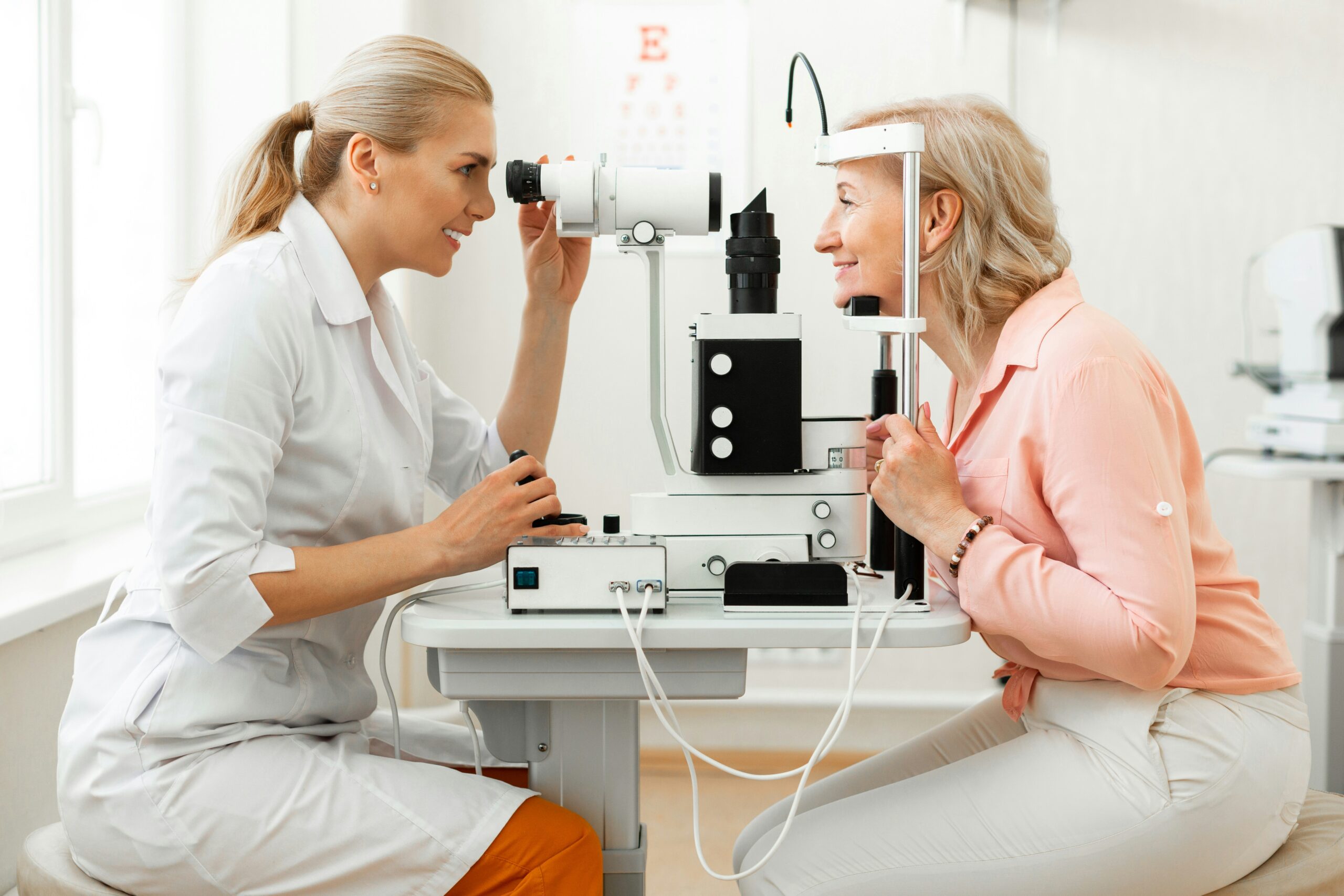
Regular eye examinations provide more than a basic vision check. Eye care professionals can look for signs of changes that may not cause obvious symptoms. Routine visits can help identify potential problems before they advance. The recommended examination schedule can vary based on age, health history, family history, and individual risk.
Early detection also gives people more time to respond. If an examination identifies a concern, an eye care professional can recommend monitoring, lifestyle changes, treatment, or additional testing. Routine exams can also reveal signs connected to broader health conditions.
Practical Steps for Maintaining Stronger Eye Health
Protecting vision takes consistent habits, not one major change. People can support their eyes by attending recommended exams, eating a varied diet, protecting their eyes outdoors, taking screen breaks, and avoiding tobacco.
People should also watch for changes in their vision. Sudden flashes, a sudden increase in floaters, significant vision loss, severe eye pain, or other unusual symptoms may require prompt professional attention. Therefore, people should not ignore sudden or serious changes.
Health Conditions That May Increase Eye Disease Risk
Certain health conditions can increase the risk of vision problems. Diabetes, for example, can affect small blood vessels in the eyes when blood sugar remains poorly controlled. High blood pressure can also affect blood vessels and other structures. Therefore, managing these conditions with medical guidance can support both general health and eye health.
Family history may also influence risk. Some eye diseases occur more often among people with close relatives who have experienced them. However, having a family history does not guarantee that someone will develop the same condition. Instead, it can signal the need for closer attention and regular screening.