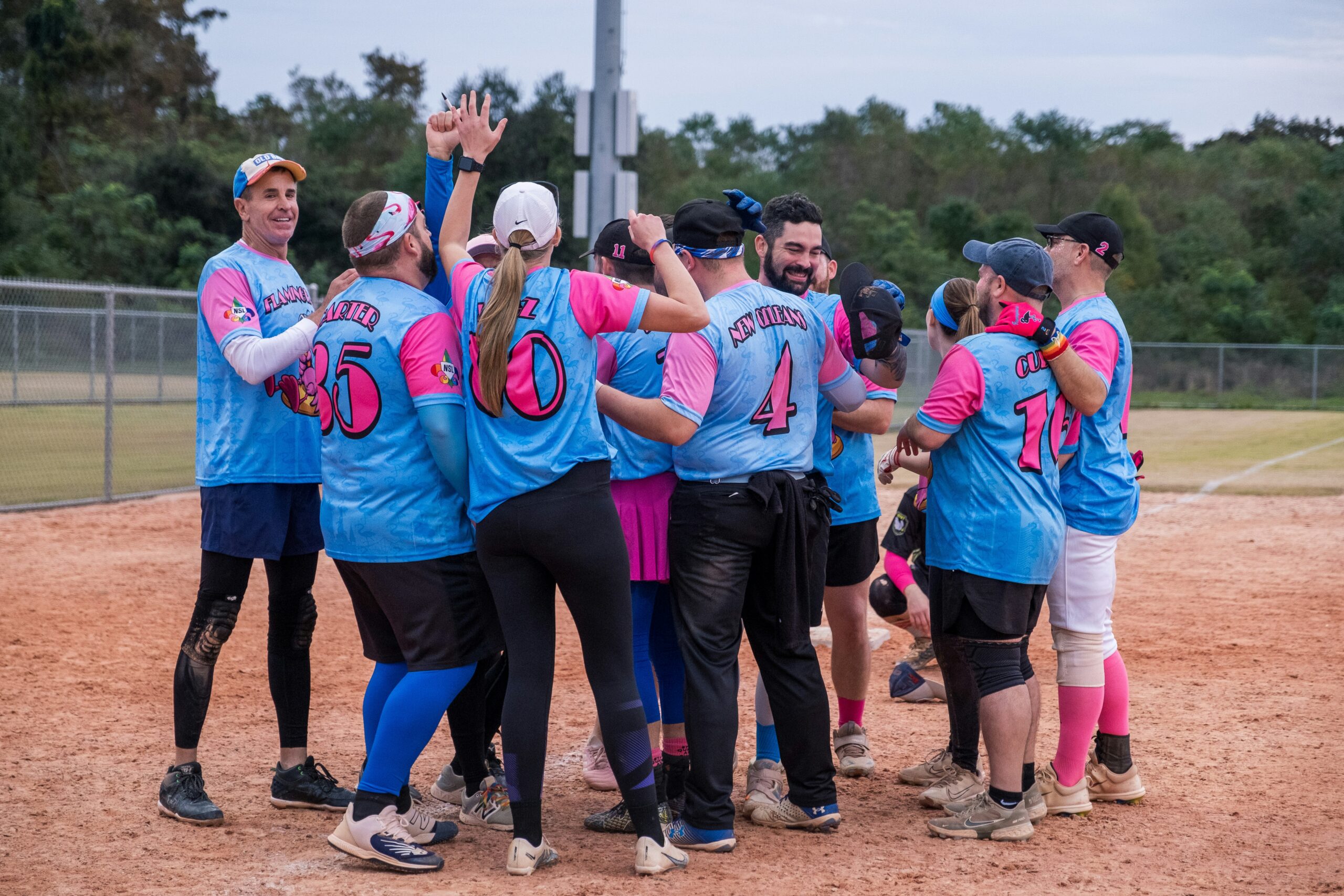
Local sports teams create a rare kind of unity that few other activities can match. People of different ages, jobs, and backgrounds often gather in the same place, and they focus on the same goal. Because of that shared focus, barriers between strangers begin to fade.
A weekend game can turn a quiet town into a lively gathering space. Families arrive together, students meet friends, and longtime residents reconnect with neighbors. As a result, the community feels more alive and more connected in those moments.
Although daily life often keeps people busy and separate, sports bring them back together. A shared team gives everyone a reason to talk, cheer, and celebrate together. Therefore, even simple games can build powerful social ties.
At the same time, these moments create familiarity. When people see each other repeatedly at games, they begin to recognize faces and start conversations more easily. Over time, that familiarity turns into trust, and trust strengthens the entire community.
Local Pride Builds Stronger Identity
Every community needs something that represents its identity. Local sports teams often fill that role by carrying the name, colors, and spirit of the area they represent. Because of this connection, residents often feel personally invested in the team’s success.
When a local team wins, the entire community shares in that excitement. Businesses celebrate, schools talk about it, and families discuss it at dinner tables. In this way, a simple game becomes a shared emotional experience.
Even losses bring people together in meaningful ways. Fans encourage one another and support the team through difficult moments. Therefore, loyalty grows stronger not only during victories but also during setbacks.
This shared identity also builds pride in the community itself. People begin to associate the team’s effort and spirit with their hometown values. As a result, local sports reflect the community’s character.
Small Businesses and Local Growth Benefit
Local teams also play an important role in supporting nearby businesses. On game days, restaurants, cafés, and small shops often see more customers. Because of this increase in activity, local economies benefit directly from community sports.
Business owners often connect with teams through sponsorships or partnerships. These relationships create mutual support: teams receive funding, and businesses gain visibility. Consequently, both sides grow stronger together.
In addition, sports events encourage people to stay local rather than travel elsewhere for entertainment. This behavior keeps money circulating within the community. Therefore, local sports indirectly support long-term economic stability.
Beyond money, these events also increase foot traffic and awareness. New visitors often discover small businesses they might not have noticed before. Over time, this exposure helps local shops build loyal customers.
Young Athletes Become Community Role Models
Local teams also influence the younger generation in powerful ways. Student athletes often become role models for their peers and younger children. Because they live within the same community, their achievements feel personal and inspiring.
Young athletes learn responsibility through practice, discipline, and teamwork. These lessons extend far beyond sports and help shape their character in everyday life. As a result, communities benefit from the growth of well-rounded individuals.
Parents and teachers also take pride in supporting these athletes. They attend games, encourage progress, and celebrate achievements. Therefore, sports become a shared effort between families, schools, and the community.
When young athletes succeed, they show others what is possible through dedication. Their journey often inspires younger children to participate in sports or other positive activities. In this way, local teams help build a culture of motivation and hope.
Real Connections Replace Digital Distance
In a world filled with screens and online interaction, face-to-face experiences have become more valuable than ever. Local sports events create space for real human connection without digital barriers.
Fans talk in person, share reactions, and celebrate together in real time. Because of this direct interaction, relationships feel more genuine and meaningful. Over time, these connections strengthen the sense of belonging within the community.
Sports events also encourage people to leave their routines and engage with others. Instead of staying isolated at home, residents gather in shared spaces where interaction happens naturally. Therefore, community life becomes more active and inclusive.
Even brief conversations at games can lead to lasting relationships. A simple greeting or shared cheer often becomes the beginning of a friendship. As a result, local sports create social bonds that extend far beyond the field.
Community Values Grow Through Shared Support
Local teams also teach important values that shape community behavior. Supporters learn patience, respect, and teamwork simply by following their teams through different seasons.
People experience both success and failure together. Because of this shared journey, they learn how to handle emotions as a group rather than individually. Therefore, sports help build emotional strength within the community.
Young fans especially benefit from these lessons. They observe how athletes handle pressure, work with teammates, and respond to challenges. As a result, they develop a stronger understanding of effort and resilience.
Communities also learn the importance of encouragement. Supporting a team through difficult times reflects a deeper lesson about standing together during hardship. Consequently, sports reinforce unity even when results are not perfect.
Volunteers Strengthen the Community Spirit
Local sports often depend on volunteers to function smoothly. Parents coach teams, residents organize events, and students help with game-day activities. Because of this teamwork, sports programs become a true community effort.
Volunteering builds stronger relationships among residents. People work together toward a common goal and share responsibility for success. As a result, trust and cooperation grow naturally.
These volunteer experiences also create personal fulfillment. Individuals feel more connected when they contribute to something meaningful. Therefore, sports programs often increase overall community engagement.
Many volunteers remain involved for years. Over time, they become familiar faces at events and important parts of the community structure. This long-term participation strengthens stability and continuity.
Shared Moments Create Lasting Unity
Local sports create memories that communities carry for years. Exciting games, unexpected victories, and close competitions become stories people share across generations.
These shared experiences create emotional connections that last beyond the final score. Families talk about past games, friends remember special seasons, and communities celebrate their history together. Therefore, sports become part of local tradition.
Even people who are not deeply involved in sports still feel the impact of these moments. Community energy spreads through neighborhoods and workplaces during important games. As a result, sports influence the mood and spirit of the entire area.
Local teams do more than compete. They bring people together, strengthen relationships, and build a shared sense of identity. Through pride, connection, and participation, they help communities grow stronger and stay united over time.