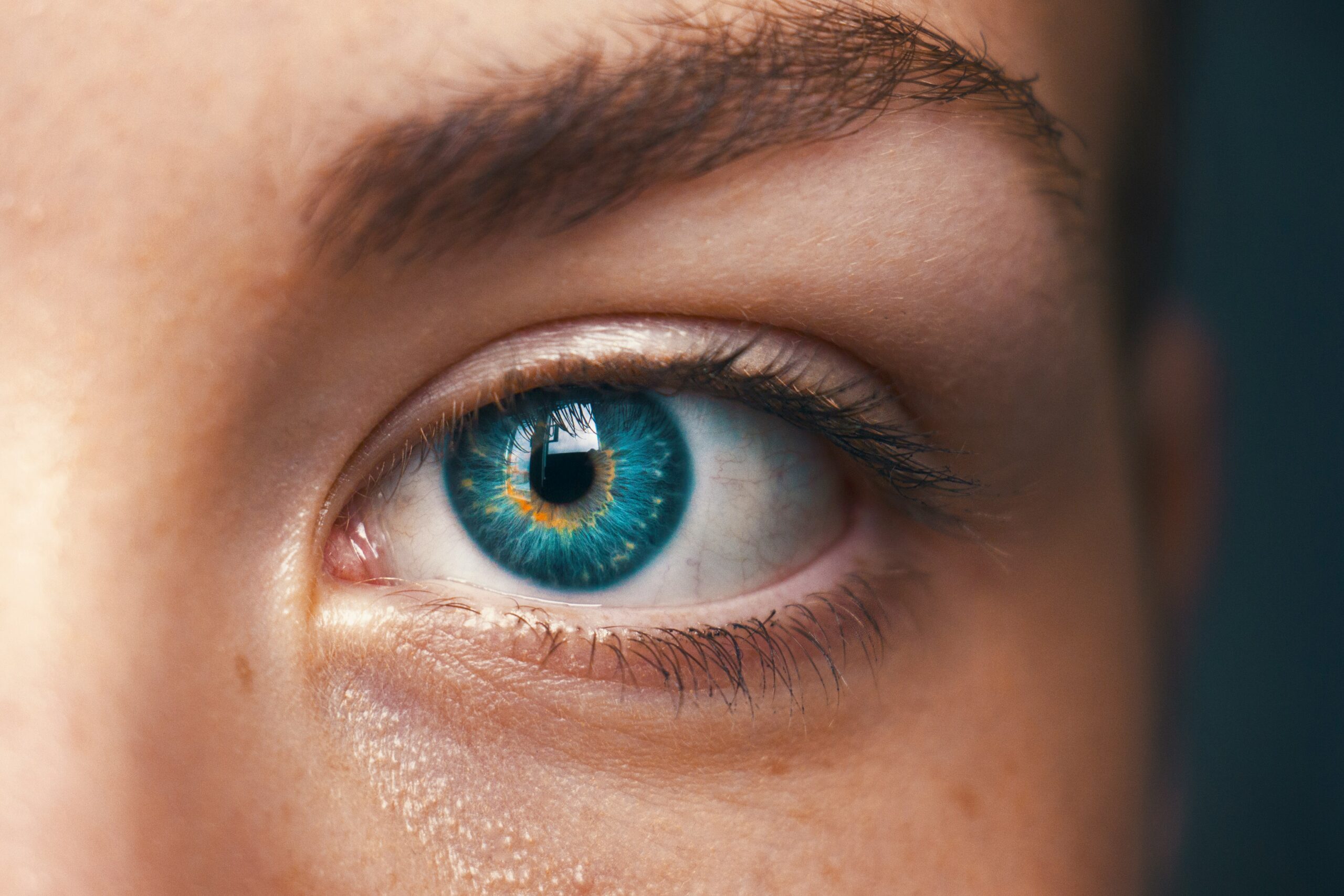
Eye discomfort often starts with a small sign, such as itching, redness, watering, or a burning feeling. Many people assume these symptoms will disappear on their own. Sometimes they do, but minor eye irritation can also be an early warning sign of a more serious eye problem. The eyes are sensitive, and even a small injury or infection can become worse without proper care. Dust, smoke, allergies, dry air, contact lenses, chemicals, and long periods of screen use can all irritate the eyes. Because many eye problems cause similar symptoms at first, it can be hard to know what is happening without paying close attention. A person may continue rubbing the eye or using random eye drops because the discomfort seems harmless. However, these actions may make the irritation worse. Watching for changes in pain, redness, vision, and discharge can help identify when minor discomfort needs more attention.
Minor Symptoms Can Hide a Bigger Eye Problem
Mild irritation can be misleading because serious eye conditions do not always start with severe symptoms. A person may notice only slight redness or feel as if a small piece of dust is trapped in the eye. The discomfort may come and go during the day, which can make it seem unimportant. However, inflammation, infection, or a small injury may already be affecting the surface of the eye. If symptoms last longer than expected, the problem should not be ignored. Continued irritation may cause swelling and make the eye more sensitive. Some people may also begin to experience headaches or trouble focusing because they are constantly trying to manage the discomfort. Eye rubbing is another common reaction, but rubbing can damage the eye surface and increase irritation. It can also move dirt or germs deeper into the eye. Paying attention to symptoms early can help prevent a small issue from developing into a condition that affects daily comfort or vision.
Corneal Scratches Can Become More Serious
The cornea is the clear surface that covers the front of the eye. It plays an important role in helping light enter the eye and supporting clear vision. A corneal scratch can happen from a fingernail, contact lens, piece of sand, makeup tool, or small object. At first, the scratch may feel like ordinary irritation. The eye may water, become red, or feel uncomfortable when blinking. A person may think something is still inside the eye and continue rubbing it. This can make the injury worse. A damaged cornea may also allow bacteria or other germs to enter more easily. If an infection develops, pain and redness may increase. Light can become uncomfortable, and vision may become blurry. Small scratches often heal, but symptoms that continue or become worse should be checked by an eye care professional. Trying to remove an object with fingers, sharp tools, or other items can cause more damage. Protecting the eye from further irritation gives the surface a better chance to recover safely.
Eye Infections Often Begin With Mild Irritation
Eye infections can begin with symptoms that look similar to allergies or dry eyes. Mild redness, watering, itching, or a gritty feeling may be the first signs. This is why understanding common eye redness causes can be helpful. Viral, bacterial, and other types of infections may affect the eye in different ways. Some infections cause watery discharge, while others produce thicker discharge that may collect around the eyelids. Germs can spread through dirty hands, shared towels, old eye makeup, or poorly cleaned contact lenses. Touching an irritated eye can also spread infection from one eye to the other. As an infection develops, swelling, pain, or increased redness may appear. In some cases, the cornea may become involved, which can create a greater risk to vision. Using someone else’s eye medication is never a safe solution because the cause of the irritation may be different. Good hand hygiene and proper eye care can reduce the chance of spreading germs. Symptoms that continue to worsen should be evaluated instead of being treated as simple irritation.
Contact Lenses Can Increase Eye Health Risks
Contact lenses can make minor eye irritation more concerning because they sit directly on the surface of the eye. A lens that is dry, dirty, damaged, or worn for too long can create friction against the cornea. This may cause redness, burning, watering, or a feeling that something is trapped under the lens. Sleeping in contact lenses that are not made for overnight wear can also increase eye health risks. Poor lens cleaning may allow bacteria and other organisms to grow on the lenses or inside the storage case. If irritation begins while wearing contacts, removing the lenses can help prevent further irritation. Continuing to wear them while the eye is red or painful may make the condition worse. Contact lens users should also avoid using tap water to clean or store their lenses. Proper cleaning products and regular lens replacement are important for reducing infection risks. Any sudden pain, blurred vision, strong light sensitivity, or severe redness should receive prompt attention. These symptoms can sometimes point to a corneal infection or another condition that needs professional treatment.
Knowing When Eye Irritation Needs Professional Care
Many mild cases of irritation improve after the eyes receive rest and the source of irritation is removed. However, certain symptoms should not be ignored. Eye pain that increases over time, sudden changes in vision, severe redness, major swelling, or strong sensitivity to light can signal a more serious problem. Thick discharge, repeated irritation, or difficulty opening the eye should also receive attention. Chemical exposure is especially important because some chemicals can damage the eye quickly. The eye should be flushed with clean water immediately after chemical exposure, and medical care may be needed. Injuries involving sharp objects, glass, metal, or other materials also require careful evaluation. People should avoid using homemade eye treatments or putting unknown substances into an irritated eye. These products may introduce germs or cause additional irritation. A professional eye exam can identify the cause of ongoing symptoms and help prevent lasting eye damage. Taking persistent irritation seriously can protect vision, improve comfort, and reduce the risk of a minor eye problem becoming much more difficult to treat.