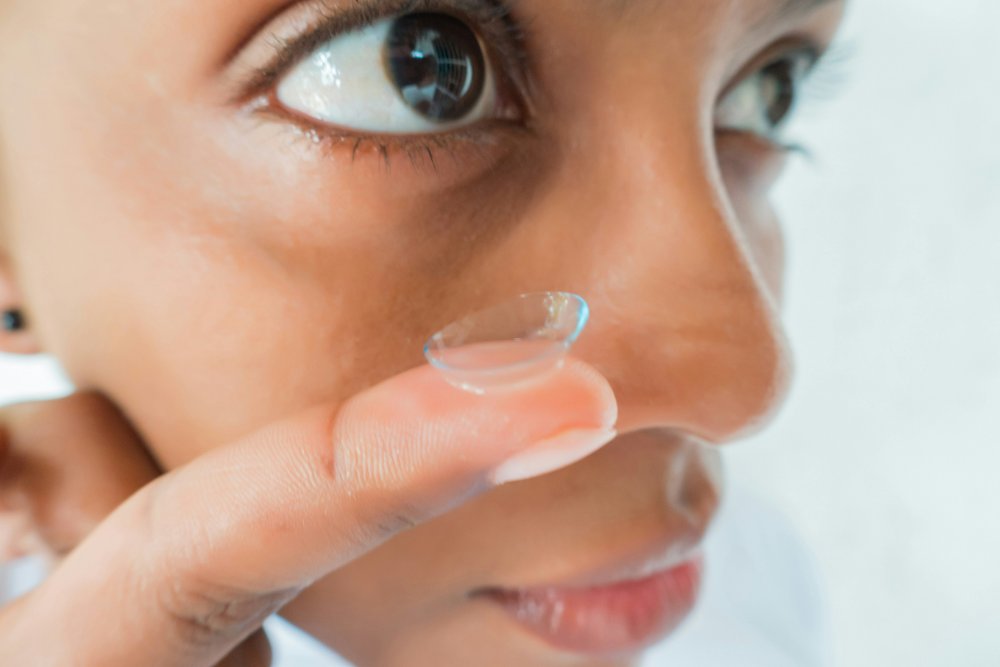
Contact lenses have changed how millions of people correct their vision. They offer convenience, clear sight, and freedom from traditional eyeglasses. However, choosing the right lenses involves more than finding the correct prescription. Eye health, material quality, and oxygen supply also play important roles. Therefore, understanding oxygen permeability in contact lenses can help wearers make better decisions about their vision and daily comfort.
Modern contact lens technology focuses on allowing more oxygen to reach the eyes while maintaining clear vision. Furthermore, manufacturers continue developing advanced materials that support comfort and eye health. By learning how oxygen moves through contact lenses, users can better understand the differences between lens types and the importance of proper fitting and care.
Understanding How Oxygen Reaches the Cornea
The cornea forms the clear outer surface of the eye and helps focus light for vision. Unlike most body tissues, it does not contain blood vessels that directly deliver oxygen. Instead, the cornea receives much of its oxygen from the surrounding air through the tear film. Consequently, maintaining an adequate oxygen supply helps the cornea function properly.
When someone wears contact lenses, the lens covers the corneal surface and changes how oxygen reaches it. Although modern materials allow oxygen to pass through, different lenses provide different levels of oxygen transmission. Therefore, eye care professionals consider lens material, thickness, and wearing habits when recommending suitable products for patients.
Why Oxygen Permeability Matters for Eye Health
Oxygen permeability describes how easily oxygen moves through a contact lens material. Higher permeability generally allows more oxygen to pass through the material. However, actual oxygen delivery also depends on lens thickness. As a result, professionals consider both permeability and oxygen transmissibility when evaluating contact lens performance.
Additionally, insufficient oxygen can affect normal corneal health. The cornea may swell slightly when it receives too little oxygen, especially during extended lens wear. Over time, repeated oxygen shortages may contribute to unwanted changes in the eye. Therefore, choosing appropriate lenses and following recommended wearing schedules can help reduce these risks.
How Modern Lens Materials Improve Oxygen Flow
Contact lens manufacturers have introduced advanced materials to improve oxygen delivery. Traditional soft lenses often rely on their water content to transport oxygen. Although these lenses can provide comfortable vision, some materials allow less oxygen to reach the cornea than newer alternatives. Consequently, manufacturers continue improving lens designs and material properties.
Silicone hydrogel lenses represent an important development in modern contact lens technology. These materials allow substantial oxygen movement through silicone components rather than depending mainly on water. Furthermore, many silicone hydrogel products offer higher oxygen transmissibility than conventional hydrogel lenses. However, material selection should also consider comfort, surface properties, and individual eye conditions.
The Connection Between Breathability and Daily Comfort
Comfort plays an important role in successful contact lens wear. People who use lenses throughout the day often want clear vision without frequent irritation. Adequate oxygen delivery supports normal corneal function and can reduce problems related to oxygen shortage. Therefore, breathable materials form an important part of modern lens design.
However, oxygen permeability does not determine comfort by itself. Tear quality, lens fit, surface moisture, and environmental conditions also influence how lenses feel. Additionally, prolonged screen use may reduce blinking and contribute to dryness. Consequently, eye care professionals evaluate several factors when helping patients find comfortable lenses.
Understanding Oxygen Transmissibility and Lens Thickness
Oxygen permeability measures the ability of a lens material to transport oxygen. In contrast, oxygen transmissibility measures how much oxygen passes through a lens at a given thickness. Eye care professionals often describe these properties using technical measurements known as Dk and Dk/t. Although the terms sound complex, they help explain important differences between lens products.
For example, two lenses made from similar materials may deliver different amounts of oxygen when their thicknesses differ. A thicker lens can restrict oxygen movement more than a thinner lens made from the same material. Therefore, manufacturers consider both material properties and lens design when developing products that support healthy oxygen delivery.
Why Extended Contact Lens Wear Requires Special Care
Some people wear contact lenses for long periods because of demanding work schedules or active lifestyles. However, wearing lenses beyond recommended limits can increase the risk of eye complications. Oxygen availability naturally decreases when the eyes remain closed during sleep. Consequently, sleeping in contact lenses can create additional challenges for corneal health.
Even lenses approved for overnight wear carry a greater risk of serious eye infections than daily wear without sleeping in lenses. Furthermore, higher oxygen permeability does not eliminate these risks. Therefore, patients should follow their eye care professional’s instructions and avoid sleeping in lenses unless their prescribed lenses and wearing schedule specifically allow it.
How Contact Lens Design Influences Eye Performance
Modern contact lens development involves more than increasing oxygen movement. Manufacturers also consider lens shape, flexibility, moisture retention, and surface characteristics. These features influence how lenses interact with the eye during blinking and daily activities. Additionally, appropriate lens movement helps support comfort and tear exchange.
Different prescriptions may also require specialized lens designs. For example, lenses for astigmatism often contain thicker or differently shaped areas that help maintain proper alignment. Consequently, oxygen transmission may vary across the lens. Eye care professionals consider these design differences when selecting products that balance clear vision, comfort, and eye health.
Recognizing Signs of Contact Lens Discomfort
Contact lens wearers should pay attention to changes in how their eyes feel. Redness, blurred vision, irritation, and unusual discomfort can indicate problems that require attention. Although these symptoms do not always result from limited oxygen supply, they should never be ignored. Therefore, early evaluation can help identify potential complications before they become more serious.
Additionally, persistent pain, significant redness, light sensitivity, or sudden vision changes may signal an eye infection or another urgent condition. Wearers should remove their lenses immediately and seek prompt professional eye care. Continuing to wear uncomfortable lenses can worsen an existing problem. Consequently, recognizing warning signs remains essential for safer contact lens use.