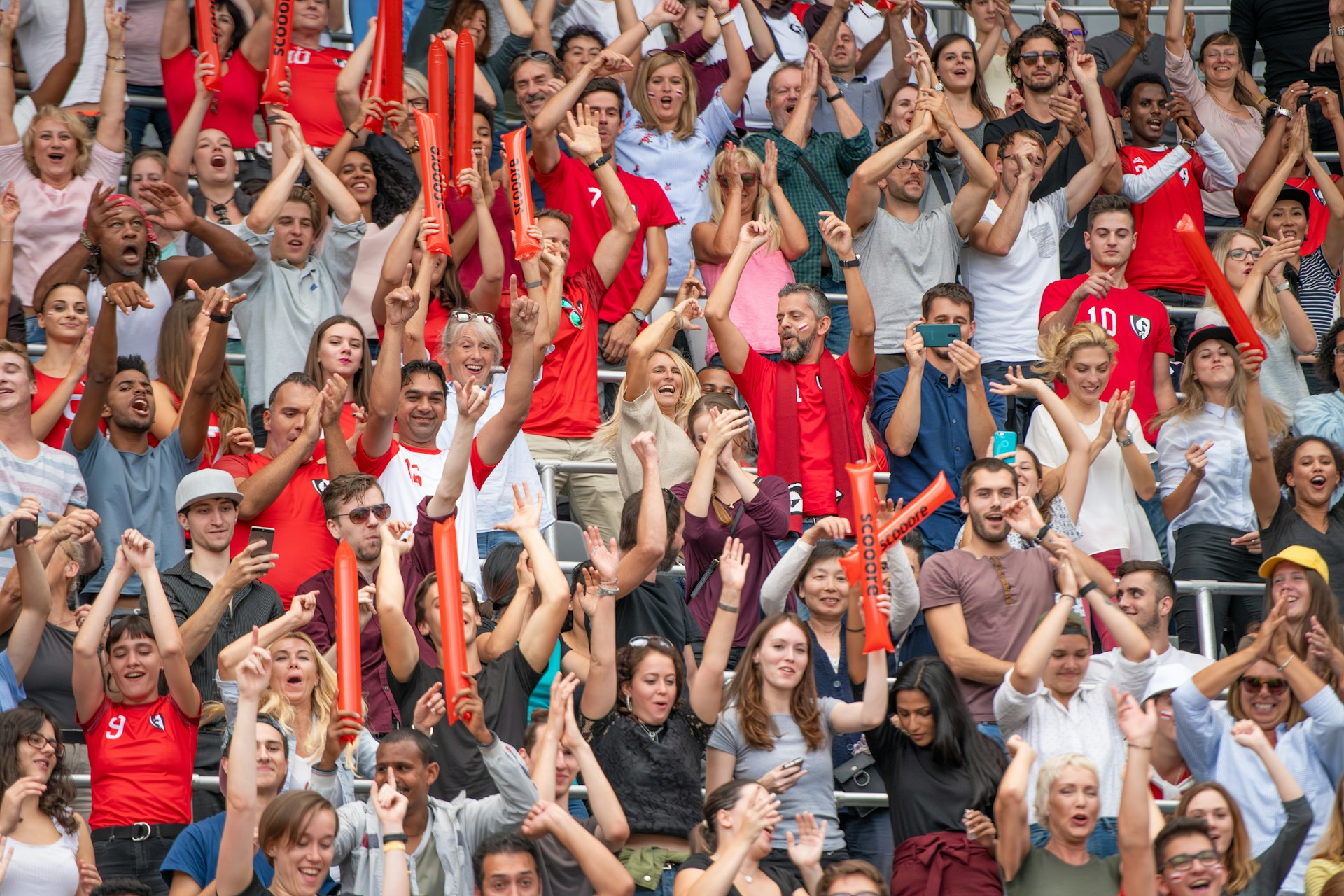
Local sports teams often become more than entertainment because they represent shared history, identity, and belonging. The emotional bond with local sports teams grows through repeated experiences that connect people to familiar places and faces. Fans remember first games, family traditions, neighborhood celebrations, and painful losses for years. Because these moments feel personal, team loyalty can become part of someone’s identity. In turn, every season adds another chapter to a relationship built far beyond wins and losses.
Local Sports Teams Reflect Community Identity
A local team often carries the personality of the place it represents. Its colors, symbols, stadium, and traditions can reflect stories that residents already share. Therefore, supporting the team becomes a way to express community identity. Fans may see their own values in a hardworking roster or determined comeback. That connection makes each performance feel linked to the community’s reputation and pride.
This relationship becomes stronger when teams remain visible beyond game day. Players may visit schools, support charities, or appear at neighborhood events. Meanwhile, local businesses display team colors, and residents discuss results at work. These everyday connections make the club feel woven into community life. Consequently, fans experience local sports fandom as participation in something close to home.
Shared Experiences Build Sports Fan Loyalty
Sports create emotional memories because outcomes unfold in real time and remain uncertain. A dramatic victory can turn strangers into temporary friends within seconds. Likewise, a painful defeat can create a shared sense of disappointment across a city. These collective reactions strengthen sports fan loyalty because people remember who experienced important moments beside them. Over time, those memories create a powerful emotional archive.
Repeated rituals also deepen attachment. Families may wear the same jerseys, meet at familiar restaurants, or watch games from favorite seats. As seasons pass, these habits become traditions rather than simple routines. Children often learn them from parents, siblings, or grandparents. As a result, supporting a local team can connect generations through stories, objects, places, and repeated celebrations.
Familiar Places Give Fandom Personal Meaning
Place matters because sports memories often become attached to physical surroundings. A stadium entrance, neighborhood bar, parking lot, or train route can trigger memories. For example, fans may remember walking toward bright stadium lights with a parent. Years later, that same route can bring back the original excitement. The team then becomes connected to personal history as well as competition.
Local geography also creates a clear sense of home. Supporters recognize street names, landmarks, accents, and cultural references used around the club. Because these details feel familiar, the team can represent everyday life more effectively than distant organizations. Even fans who move away may keep following their hometown team. In that case, fandom becomes a reliable connection to the place they once called home.
Emotional Investment Makes Every Game Matter
Strong bonds develop when people invest attention, time, and hope over many seasons. Fans follow injuries, roster changes, rivalries, and young players long before major moments arrive. Consequently, success feels earned through patience rather than simply observed from a distance. A championship can validate years of commitment, while repeated losses can deepen determination. Emotional investment gives ordinary games meaning within a story.
Rivalries intensify that experience by defining who the community competes against. However, rivalry is not only about disliking another team. It also sharpens the group’s sense of itself. Shared chants, jokes, memories, and expectations reinforce belonging among supporters. When fans gather around these customs, local sports teams become social anchors that help people recognize one another.
Local Team Support Creates Social Belonging
People naturally seek groups where they feel understood and included. Local team support provides an accessible social language for neighbors, coworkers, families, and strangers. A jersey can start a conversation without any formal introduction. Similarly, a close game can give thousands of people one immediate subject to discuss. These interactions turn fandom into a practical source of social belonging.
The bond can also survive changes in players, coaches, and league standings. Individual athletes come and go, yet the team’s local meaning often remains stable. That continuity matters because supporters attach themselves to a larger symbol. Therefore, loyalty can endure losing seasons and disappointing decisions. Fans continue because the relationship represents memories and relationships that no single result can erase.
Why the Emotional Bond Endures
The strongest sports connections combine identity, memory, place, ritual, and social connection. Each element reinforces the others across years of repeated participation. A fan may begin watching because of family, then stay because the team becomes personally meaningful. Meanwhile, community celebrations and shared disappointments keep adding emotional depth. This process explains why an emotional bond with local sports teams can last for decades.
Ultimately, hometown sports offer people a recurring way to experience belonging together. The scoreboard matters, but its meaning comes from everything surrounding it. Sports fan loyalty grows when games become linked with relationships, traditions, and recognizable places. For that reason, local sports fandom often survives changing circumstances and disappointing seasons. The team remains powerful because it carries pieces of personal mehttps://www.behance.net/randallmelchertoptomory and community identity forward.